Irán denuncia campaña mediática para justificar ataques contra su infraestructura civil
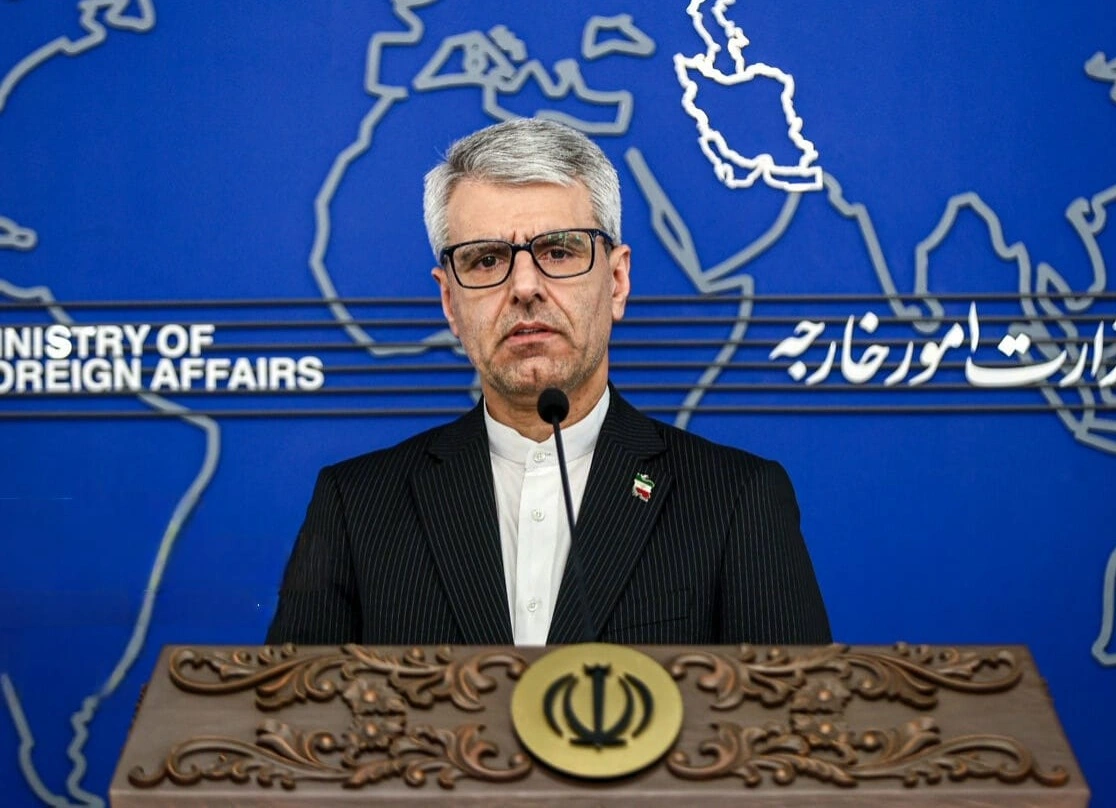
El Ministerio de Relaciones Exteriores de Irán advirtió que las acusaciones que buscan vincular sus represas con bases de misiles forman parte de una campaña maliciosa «para fabricar propaganda y pretextos de seguridad destinados a justificar ataques contra la infraestructura vital de un país», enfatizó el portavoz Esmaeil Baqaei.
El funcionario agregó que quienes iniciaron la agresión contra la República Islámica buscan sentar las bases mediáticas para sus planes con acusaciones infundadas, incluyendo afirmaciones publicadas recientemente por The New York Times y la narrativa sobre una supuesta «bomba sucia» iraní propagada por CNN, con el fin de dar una apariencia de legitimidad a futuras atrocidades.
«Irán sabe bien cómo responder a cualquier acto de agresión y asegurar que reciba una respuesta inolvidable», enfatizó Baqaei, quien agregó que «la comunidad internacional debe reconocer que el silencio y la apaciguación ante campañas siniestras para normalizar flagrantes violaciones de las normas jurídicas internacionales y los principios humanitarios y morales fundamentales tendrán consecuencias devastadoras —no solo para la región, sino para la humanidad en su conjunto».
The baseless allegations seeking to link Iran’s dams to missile bases constitute yet another example of a malicious campaign to manufacture propaganda and security pretexts aimed at justifying attacks on a country’s vital infrastructure.
During the recent acts of aggression by the USrael against Iran, water storage reservoirs in Khomeyn (Markazi Province), Haftkel (Khuzestan Province), and Bamani (Sirik), as well as desalination facilities on Qeshm Island, in Nikshahr and Tis (Sistan and Baluchestan Province), and in the village of Banji in Jask, were targeted. These attacks disrupted or cut off water supplies to civilian populations and residential areas.
Portraying the geographical proximity of civilian infrastructure to military facilities as grounds for designating it a legitimate military target is neither a credible argument nor a substantiated claim. Rather, it is a sinister fallacy intended to legitimize attacks against civilian infrastructure and normalize grave violations of international humanitarian law.
Although the United States today appears to maintain, with an air of arrogance and a medieval mindset, that the law need not be invoked when dealing with those who wield the sword, international humanitarian law – particularly Article 56 of Additional Protocol I to the Geneva Conventions – provides special protection for dams and similar installations.
Those who initiated the aggression against Iran are now seeking to lay the media groundwork for their sinister designs by manufacturing and disseminating baseless allegations, including the recent claims published by The New York Times and the fabricated media narrative surrounding an alleged “dirty bomb” propagated by CNN. Step by step, they are attempting to manufacture a veneer of legitimacy for further aggression and atrocities.Iran knows well how to respond to any act of aggression and ensure that it is met with an unforgettable response. The international community, however, must recognize that silence and appeasement in the face of sinister campaigns to normalize flagrant violations of international legal norms and fundamental humanitarian and moral principles will have devastating consequences – not merely for the region, but for humanity as a whole.
— Esmaeil Baqaei (@IRIMFA_SPOX) November 17, 2026
En su cuenta en la red social X, el portavoz de la Cancillería denunció que durante recientes ataques de Irael contra Irán se afectaron embalses de agua y plantas desalinizadoras en distintas provincias, interrumpiendo el suministro a civiles, y recordó que el derecho internacional humanitario protege estas infraestructuras sin importar su proximidad a zonas militares.
«Aunque Estados Unidos hoy parece mantener, con un aire de arrogancia y una mentalidad medieval, que la ley no necesita invocarse al tratar con aquellos que empuñan la espada, el derecho internacional humanitario —en particular el artículo 56 del Protocolo Adicional I a las Convenciones de Ginebra— proporciona una protección especial para las presas e instalaciones similares», se lee en la publicación.
LEA TAMBIÉN:
EE.UU. amenaza con «castigar» a Irán ante supuestos planes de atentado
Por su parte, el ministro de Relaciones Exteriores iraní, Abbas Araghchi, rechazó y calificó de «basura» las versiones difundidas por medios pro-Israel sobre supuestos planes de utilizar armas químicas en Estados Unidos o instalar bases de misiles bajo presas. «Ahórrense la propaganda al estilo de la Guerra de Irak, especialmente con huellas dactilares israelíes por todas partes. Nadie se la está comprando», aseveró el canciller.
In the past 72 hours, pro-Israel media have “reported” that Iran is supposedly plotting to use chemical weapons in DC while building missile bases under dams. RUBBISH.
Spare us the Iraq War-style propaganda, especially with Israeli fingerprints all over it. Nobody is buying it.
— Seyed Abbas Araghchi (@araghchi) November 17, 2026
Estas declaraciones ocurren en medio de tensiones con Washington y del estancamiento de los esfuerzos diplomáticos para poner fin a la guerra. Teherán presentó una propuesta y varias condiciones para soluciones negociada durante contactos mediados por Qatar y Pakistán, y espera respuesta estadounidense.
El supuesto plan de atentado de Irán contra EE.UU.
El lunes 16 de noviembre, la cadena CNN, citando a la inteligencia estadounidense, informó que Irán estaría desarrollando supuestos planes para atentar contra altos funcionarios del Gobierno de Donald Trump mediante el uso de una «bomba sucia» o armas químicas en Washington.
A raíz de esta alerta, según reseñan medios estadounidenses, el secretario de Guerra, Pete Hegseth; el secretario de Estado, Marco Rubio, y el secretario del Tesoro, Scott Bessent se trasladaron a una base militar por los supuestos peligros vinculados a Irán, mientras que desde la Casa Blanca, la portavoz Lauren Bis señaló en un comunicado que el Gobierno vigila todas las amenazas, «pero en este momento no hay amenazas creíbles contra el territorio nacional».
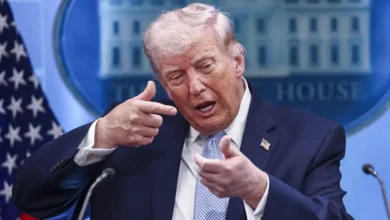
Posteriormente, el presidente Donald Trump advirtió desde Manila, Filipinas, que Irán enfrentará un castigo sin precedentes si llega a atentar contra Washington.
Fuente: TELESUR